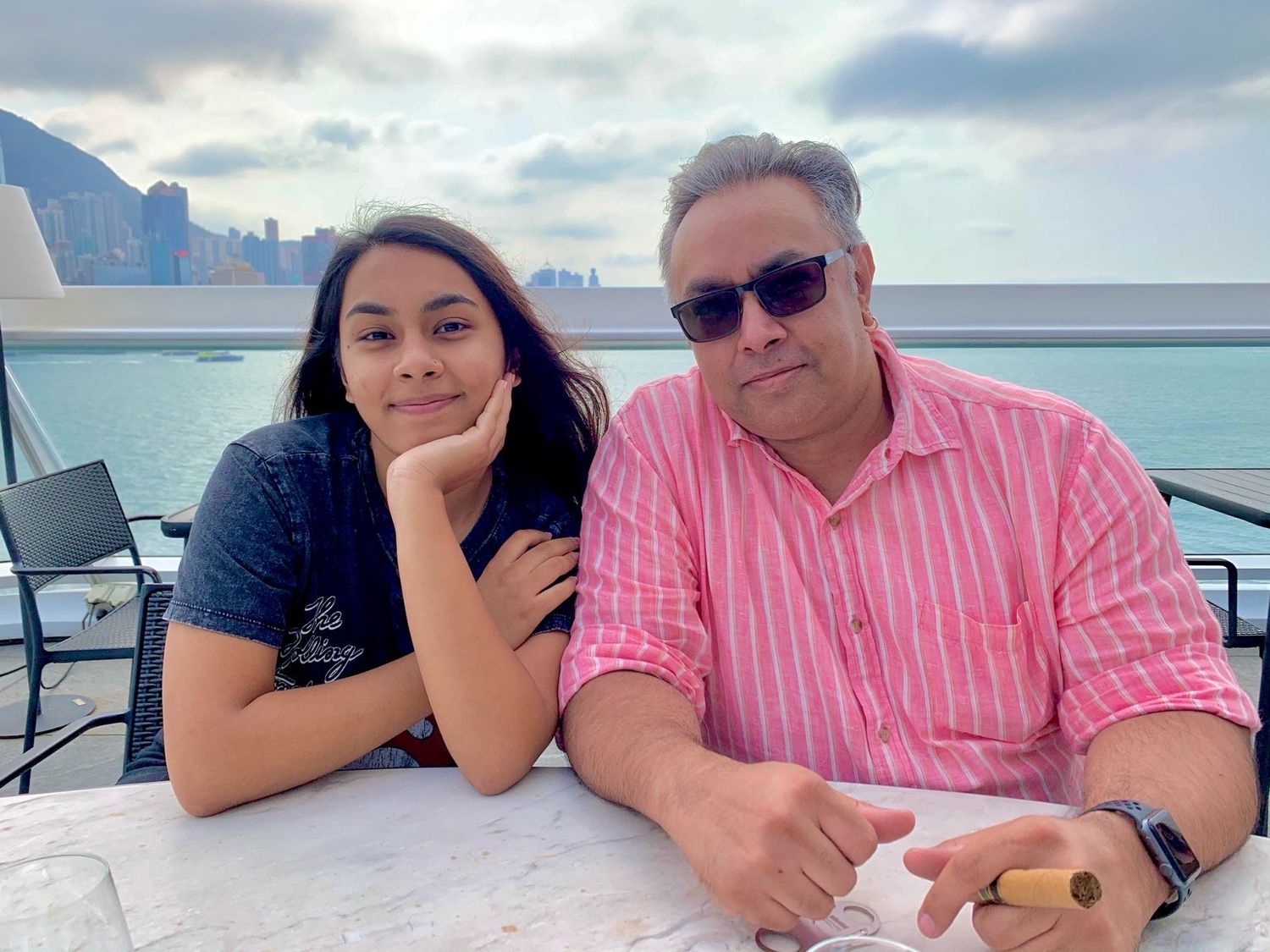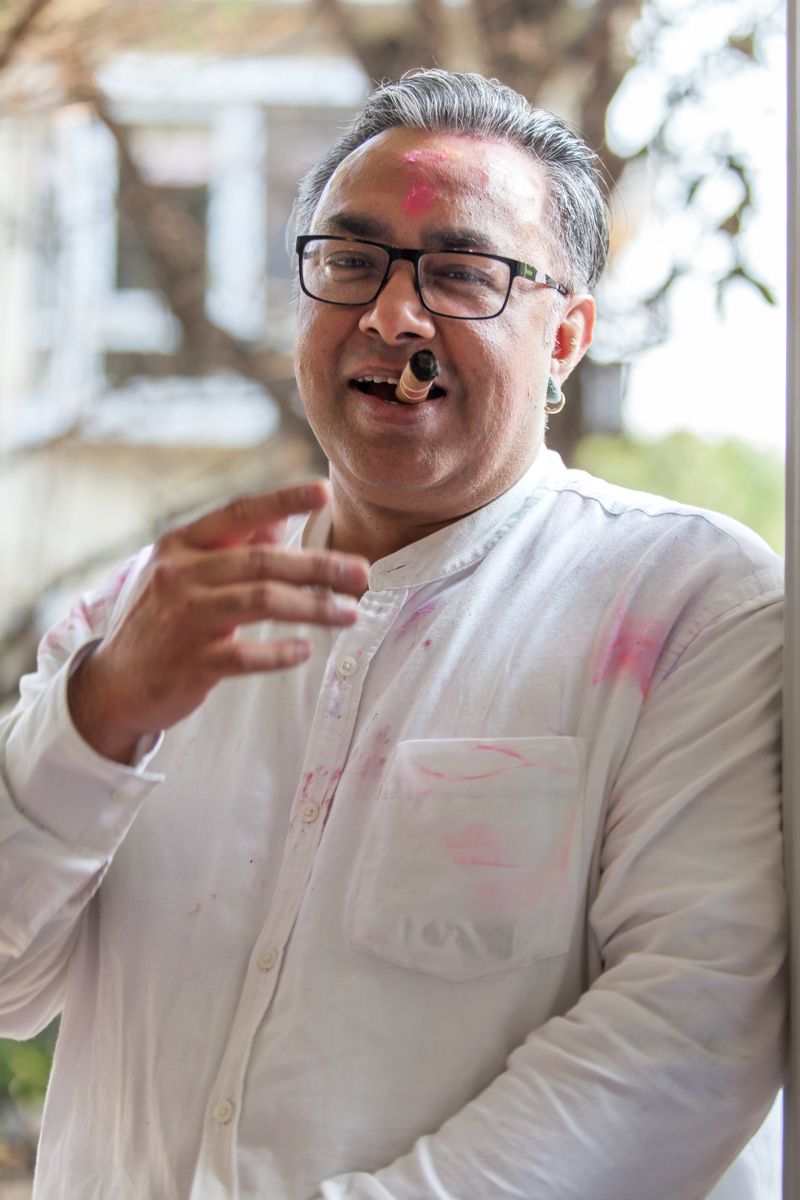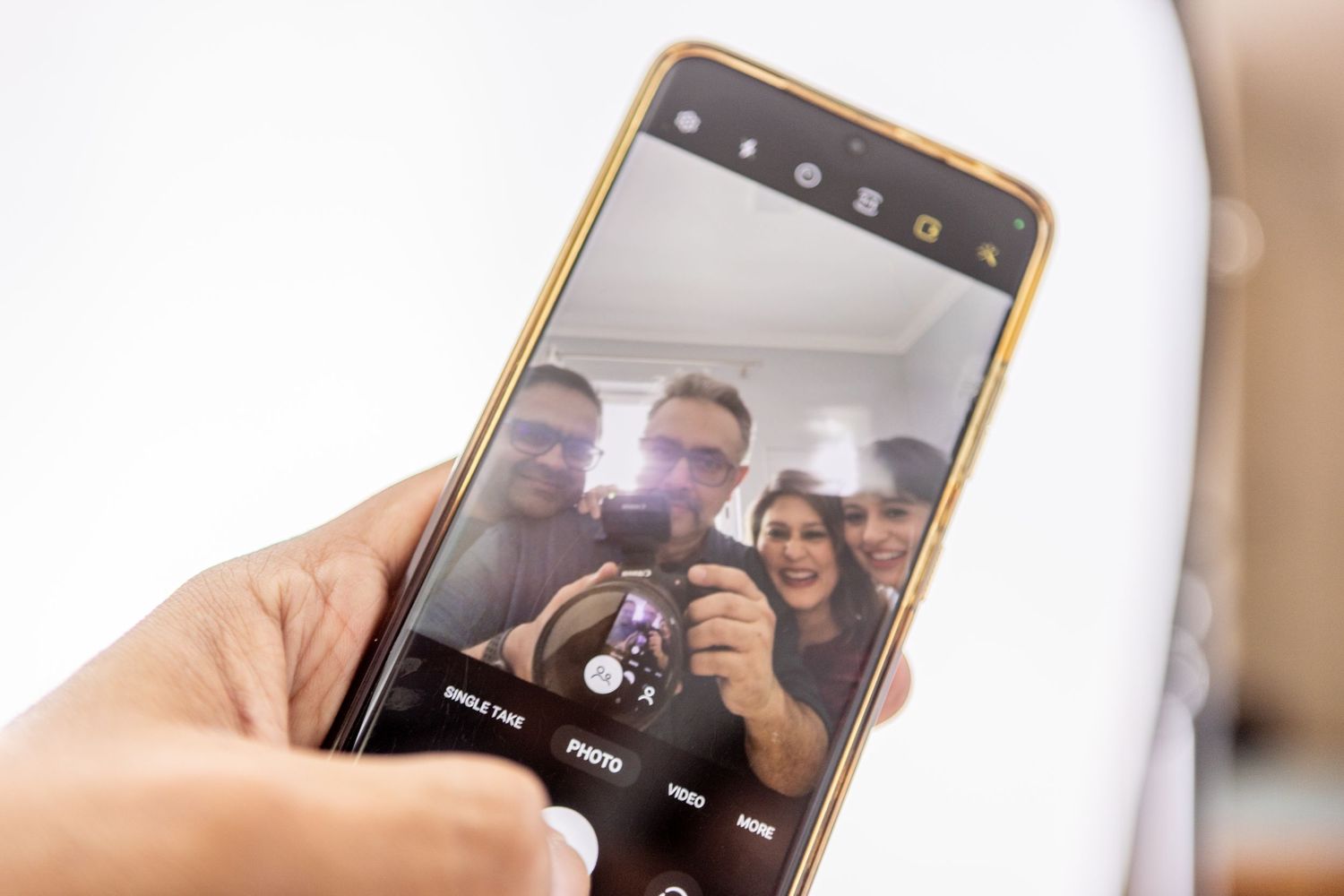
You need a new photo for your website or LinkedIn, and you've probably heard three answers already. Your partner says your phone is fine. A friend sent you a link to an AI headshot app. And somewhere at the back of your mind is the idea that a proper session would be better, followed quickly by "but I'm not photogenic, so what's the point?"
Here's an honest answer from a portrait photographer who would rather you chose the right option than the most expensive one.
Start with what the photo has to do.
Before you compare options, ask what the photo is for. A photo on an internal staff page does a different job from the one on your coaching or consulting website. When people are deciding whether to trust you with their money, their career or their wellbeing, your photo is often the first thing they meet.
Three questions help:
- Will strangers see it before they meet you?
- Is your business built on people trusting you personally?
- Do you need more than one image, for your website, LinkedIn, talks and posts?
If you answered no to all three, you may not need a photographer at all. Keep reading anyway, because the phone has a few tricks.
When your phone is enough
Your phone is enough more often than photographers like to admit. It works when you need one image, for a profile that mostly people who already know you will see, and you have someone patient to take it.
How to get the best from it:
- Stand facing a large window, not with the window behind you.
- Ask the person to hold the phone at your eye level or slightly above. Never below your chin.
- Use the back camera, not the selfie camera.
- Step about a metre away from the wall, so there's no shadow behind you.
- Take forty frames, not four. The good one usually comes after the person holding the phone gets bored and you stop waiting for the click.
What it costs you: nothing but time. The limit: one look, one background, and a photo that quietly says "taken at home". That's fine until your business grows past it.
When an AI headshot is enough
AI headshot tools are everywhere now. Canva even lets you make up to two free AI LinkedIn photos a day. You upload a handful of selfies and the app builds a portrait from them. It's quick and cheap, and for some uses it's fine: a placeholder while you sort out something better, or a profile nobody will compare with the real you.
The honest problem isn't quality. It's that the result is a guess at your face. Often a flattering guess: a little smoother, a little younger, everything a little more even. Then a potential client joins a video call, and the person on screen isn't quite the person in the photo. For a business built on trust, that small gap is the wrong first impression.
There's a brand problem too. An app can tint a photo in your colours, but it doesn't know your clients, or what working with you feels like. It gives you a generic professional, which is exactly what you're trying not to be.
When a portrait session is worth it
A session makes sense when you are the brand. Coaches, consultants, trainers and therapists are in this group, along with anyone whose clients are buying them as much as the service. It also makes sense when you need a set rather than a single photo, and when you want photos that work with your brand colours instead of fighting them.
What it costs: my Essential session is €595 excl. BTW. That's a brand call beforehand, about two hours, 2 to 3 looks, and 30 or more images, all edited to your brand palette. That is a real cost for a business that's still proving itself, which is why I'd rather you were sure before you book.
What you get that a phone or an app can't give you is time and attention. The first fifteen minutes of a session are just talking, about nothing in particular. Somewhere in the first twenty minutes you'll say something you actually mean, and that's usually the frame worth having.
"But I'm not photogenic"
This is the sentence I hear most. A phone or an app can feel safer, because nobody's watching. But the stiffness most people see in their photos usually isn't their face. It's pressure: a lens pointed at you, no instructions, and someone telling you to "just be yourself."
A phone photo taken in a hurry by your partner has exactly the same problem. AI hides it by replacing you. A good session should reduce the pressure until it stops showing. One client, Bharat, wrote afterwards: "I thought I'd feel awkward, but you completely put me at ease."
A simple way to decide
Your phone: one image, mostly for people who already know you, and no budget right now.
An AI headshot: you need something today, and it's temporary.
A portrait session: strangers decide whether to trust you from your photo, and you need a set that matches your brand.
There's no wrong answer in starting with your phone. When your photo stops matching the business you actually run, that's the sign it's time for portraits that catch up with the professional you've become.