
What do I wear for my
Headshot Session?
And what should I avoid?
It can be daunting deciding what to wear for a headshot session, but it doesn't need to be. The function of a headshot is to show what you look like today. That's it. It's that simple. So what should you wear? Broadly speaking anything that doesn't distract from what you look like. There are nuances but essentially that's all there is to it.
I’ll break it up for men and women:
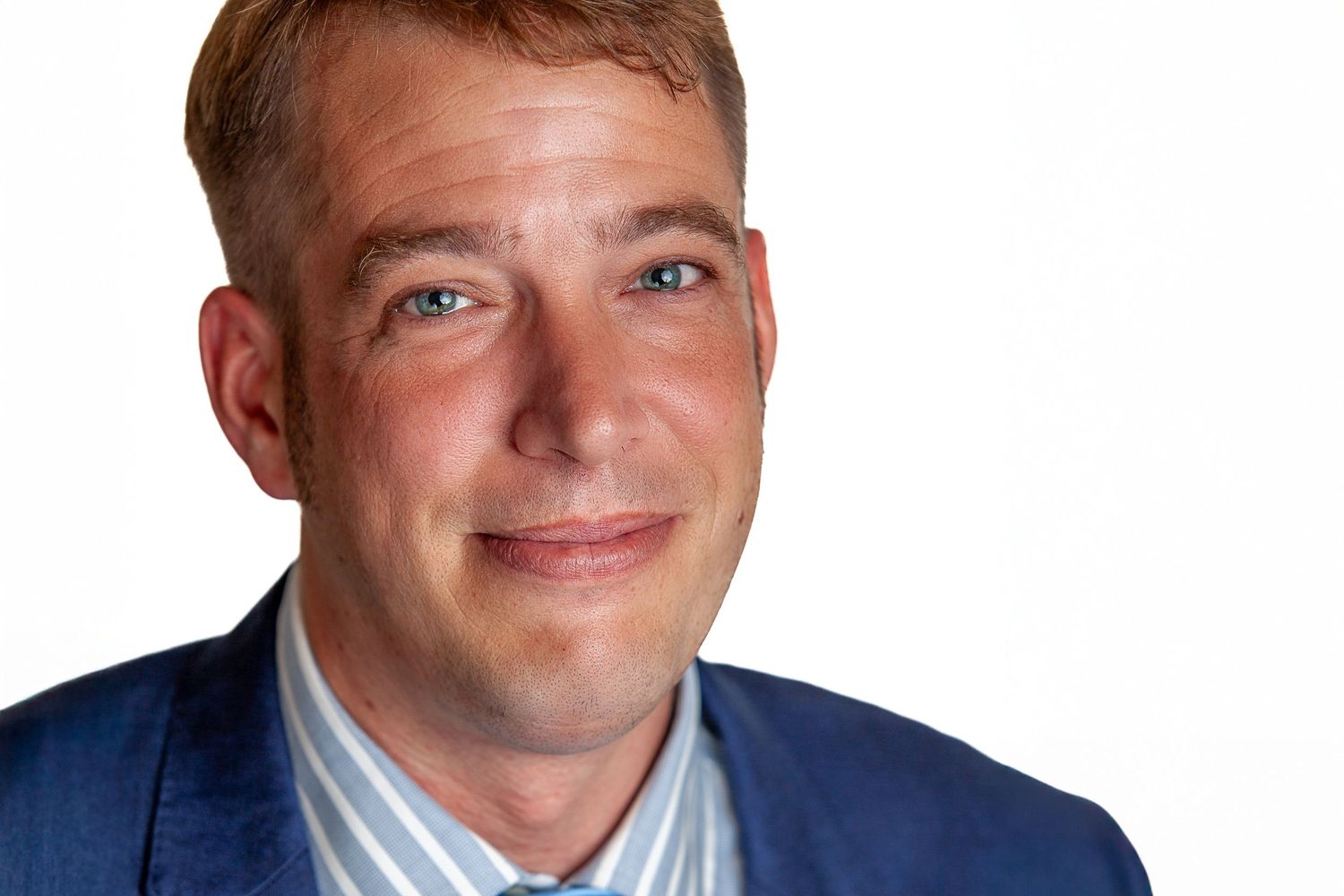
Most men approach a headshot session with roughly the same strategy: open the wardrobe, stare at it for a few minutes, and hope the answer appears. The good news is that professional headshots are not about fashion. They are about looking credible, competent, and like the person clients actually meet.
For most business owners, you want to dress in one of two ways:
Either as though you're meeting your most important customer, or exactly as they would see you in your place of work. If that means a coat and tie, then that is what you should wear. If it means smart casuals then so it is. If you're somewhat more flamboyant at work, then dress accordingly.
Bear in mind, always, that you’re going in for a headshot, so the framing of your photos is quite literally, your head (and some shoulders). So what you’re wearing, waist down, is somewhat irrelevant. The most important thing is to feel natural and comfortable, so don’t bring your tuxedo with a bowtie and wear it over track pants!
In general, subtle textures are fine, but loud patterns tend to pull attention away from your face. When deciding between two shirts, the simpler one usually wins. Cameras are surprisingly unforgiving with busy designs.
And one small practical tip. Make sure your shirt is ironed and the collar sits properly. Collars that collapse or twist have a habit of becoming the most distracting thing in the photo.
A jacket that fits your shoulders properly and sleeves that end roughly at the wrist create a clean silhouette in photos. Shirts that are too loose tend to bunch and wrinkle in ways that are far more obvious in a photograph than they are in a mirror.
If you normally wear a tie when meeting clients, then it makes sense to include one in your portrait. If you rarely wear one, forcing it into the photo can make the image feel slightly artificial.
Simple accessories such as a watch or glasses can add personality to a portrait. Just make sure they are not the main attraction. If someone’s first reaction to your photo is curiosity about your watch, something has gone slightly wrong.
To shave or not to shave? If you regularly sport facial hair then definitely show up unshaven, But bring your kit so we can cover both looks.
The focus should always remain on your expression and presence. The best professional headshots do not make you look like a different person. They simply show you at your best. Good clothing helps create that result, but the real difference usually comes from feeling comfortable and relaxed during the session.
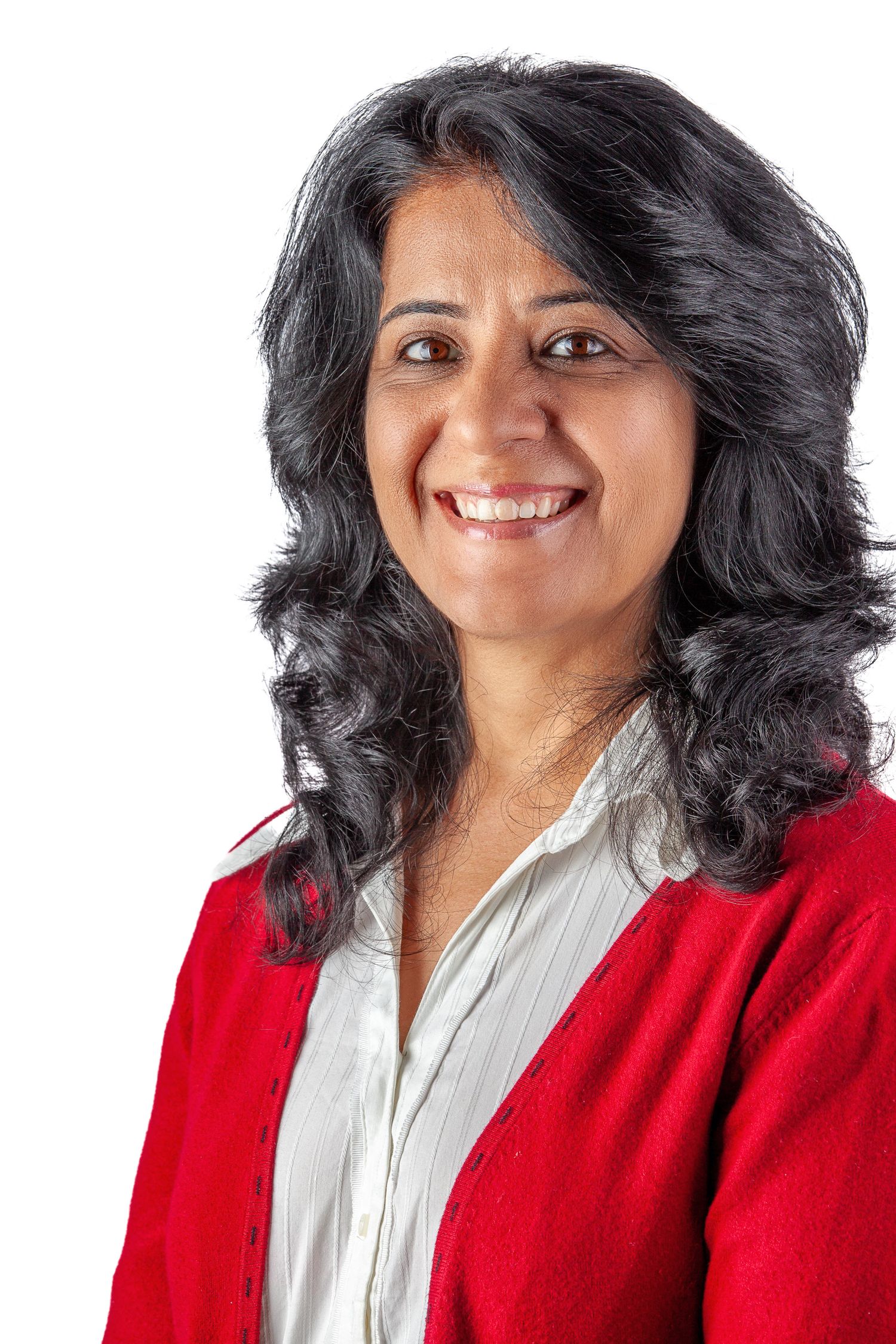
For many women, deciding what to wear for a professional headshot can feel oddly complicated.
You want to look polished, but not overly formal. Professional, but still natural. Confident, but not like you borrowed someone else’s personality for the afternoon. The good news is that the best outfits for professional portraits are usually the ones you already wear when you want to look capable and put together.
If you feel comfortable in the clothing, it will show in the photos.
Blazers, tailored jackets, or structured blouses can help create a clean, confident shape in portraits. This does not mean you need a full corporate suit. Many professionals prefer a softer, more modern look with a jacket over a simple top.
The key is balance. You want clothing that feels polished without feeling stiff.
If you work in consulting, law, finance, or advisory roles, a blazer often aligns naturally with the professional image you already present.
In professional portraits, simple colours almost always work best.
Navy, deep green, burgundy, charcoal, and other calm tones photograph beautifully. They frame the face without competing for attention.,Very bright colours and bold patterns can sometimes dominate the image. When that happens, the clothing becomes the main subject instead of the person wearing it.
If you are unsure, choosing a solid colour is usually the safest option.
Necklines and exposed skin matter more in portraits than most people realise. Avoid plunging necklines, and if you’re concerned about your weight, short sleeved or sleeveless tops. Exposed skin, in general, distracts from the face and the function of a headshot is to capture your likeness.
Simple shapes tend to work well because they keep the overall look clean and balanced. Layering with a jacket or cardigan can also add depth and structure to the image.
A helpful rule is to choose clothing that feels professional but still comfortable enough that you forget you are wearing it after a few minutes.
That sense of ease translates directly into the photograph.
Jewellery can add personality to a portrait, but restraint usually works best. Simple pieces such as small earrings, a delicate necklace, or a watch often look elegant without pulling attention away from your face. Large statement pieces can sometimes dominate the image, especially in close up portraits.
In professional photography, subtle often looks stronger than dramatic.
Even if you are confident in your outfit choice, bringing a few options is always helpful. Sometimes removing a jacket creates a more relaxed portrait. Sometimes a slightly different colour works better with the lighting or background. Having other options simply gives us flexibility without complicating the session.
The most important thing you can wear in a professional portrait is comfort.
When people feel relaxed in their clothing, their posture softens, their expression becomes more natural, and the photo begins to feel authentic rather than posed.
Professional portraits are not about performing for the camera. They are about helping capable professionals look like the level they already operate at.
