
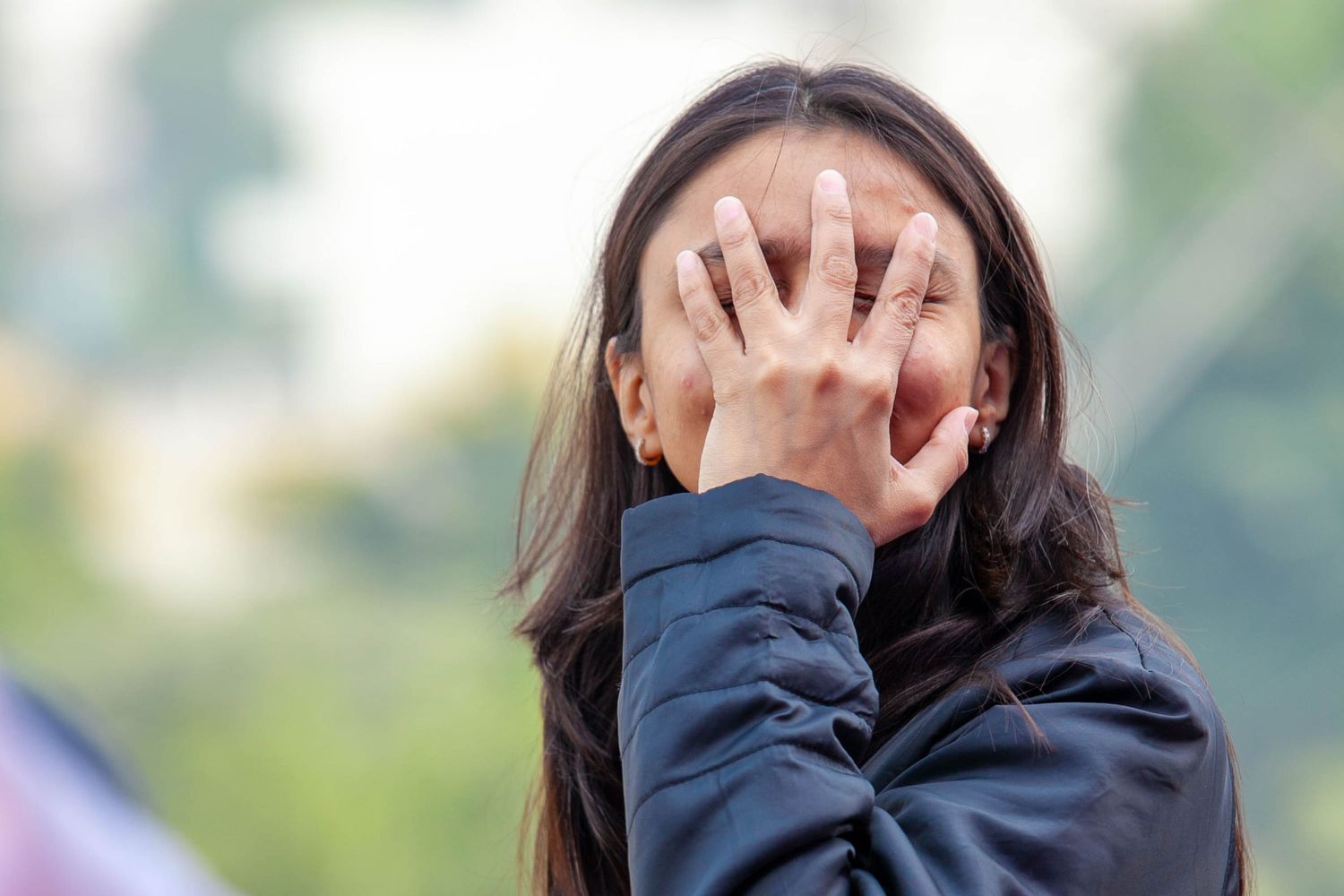
I'm not photogenic
Being photographed should not feel like a test of how comfortable you are in your own skin.
I'm not photogenic You've said this before anyone asked. Probably more than once, and probably as a warning, before the camera's even in the room.
Being looked at is not the same as being seen, and a camera makes that difference impossible to ignore. You lead meetings. You advise clients. You make calls all day without flinching. Then someone points a lens at you and all of it goes quiet. You notice your hands. You wonder what your face is doing without you.
That's not a personal failing. It's what happens when someone hands you a task with no instructions and calls it "just being yourself." Most sessions make it worse by naming the problem and never solving it: you're told to relax, which nobody has ever managed to do because they were told to. You're posed into a shape a stranger thinks looks confident, then asked to hold it while your face forgets how faces work.
None of that happens here. Here's what actually happens during a session with me.
You arrive with the outfits we spoke about, already chosen, no decisions left to make that morning. Fifteen minutes of talking about nothing in particular, not a briefing, just enough time for your shoulders to come down from wherever they were on the drive over. Nobody asks you to relax. Asking someone to relax has never once worked.
If you've booked a make-up artist, you'll go into hair and make-up while we keep talking, about 45 minutes to an hour.
Then we start, and for the first stretch you'll feel watched, because you are. That passes faster than you expect. Somewhere in the first twenty minutes you'll say something you actually mean, mid-sentence, about something unrelated to the fact that a camera is three feet away. That's the frame worth having. It's not staged and it's not lucky. It's what happens when nobody's performing and nobody's asking you to.
Your hands will feel foreign the moment you notice the lens, so don't leave them idle. Adjust a cuff. Hold your glasses. Rest a hand on the back of a chair. Small, ordinary movement is what settles the rest of you down.

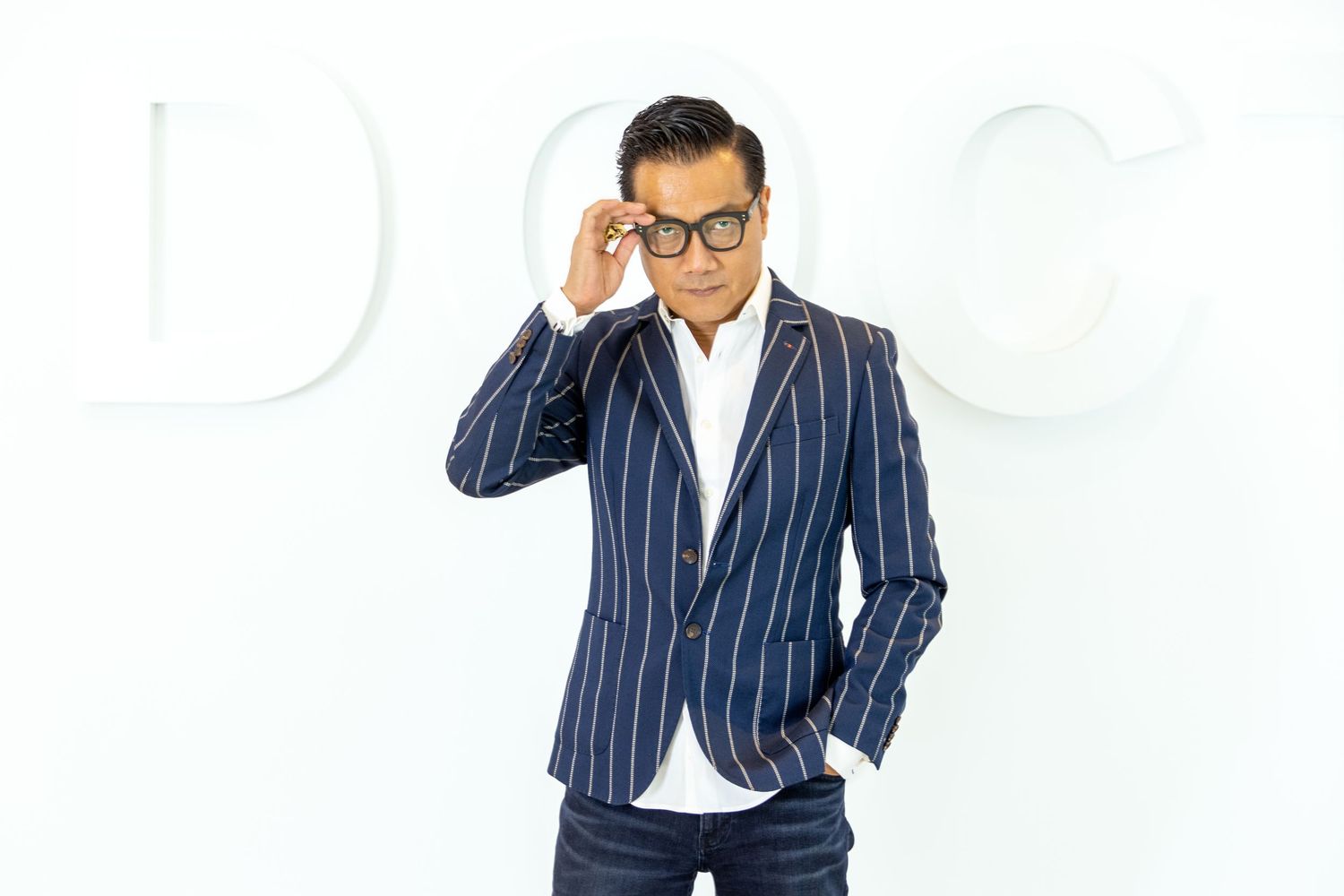

Outfit changes are quick, not a production. Mostly you won't see anything until the end. If something's genuinely there mid-session, I'll show you, but that's rare and it's my call, not a running commentary. You'll see the whole set at once, later, which is the only way to tell a good one from a flattering one.
Two hours, not because the shots take that long, but because the first thirty minutes are the cost of the last ninety being any good. Nothing after the sitting is where the trust gets built. It's built by minute twenty, or it isn't built at all.
Once we're finished, we look at the collection together and choose the frames that work. This is also when we choose any wall art or prints you want.
What you leave with isn't the most flattering version of you. It's the one that actually works: on your website, on LinkedIn, in a programme next to your name. Flattering is a compliment. This is a job.
If you've been putting this off because you don't think you photograph well, that's not a fact about your face. It's a fact about every session you've had until now. You don't need to know how to be photographed. You need to show up, and now you know what happens next.
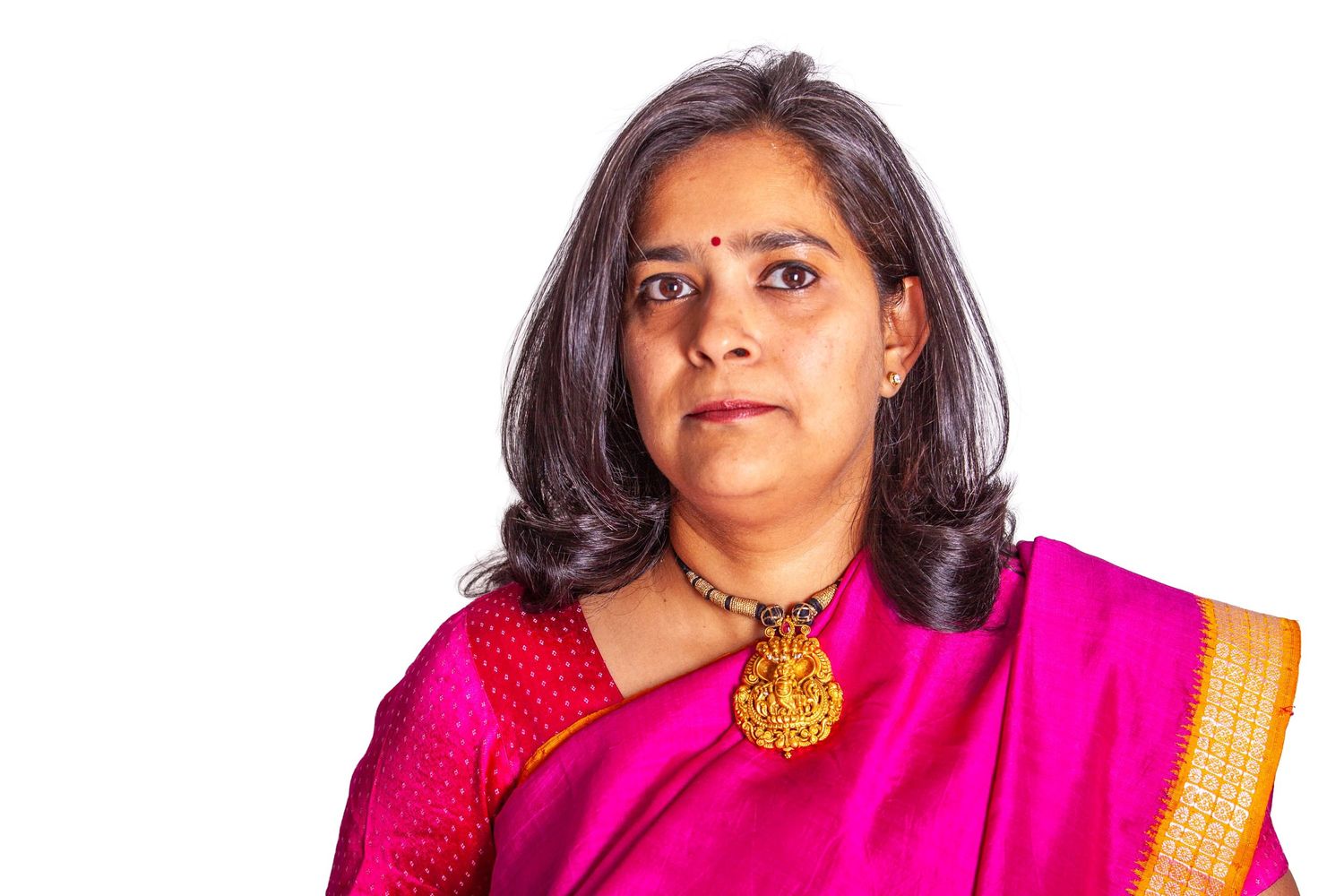
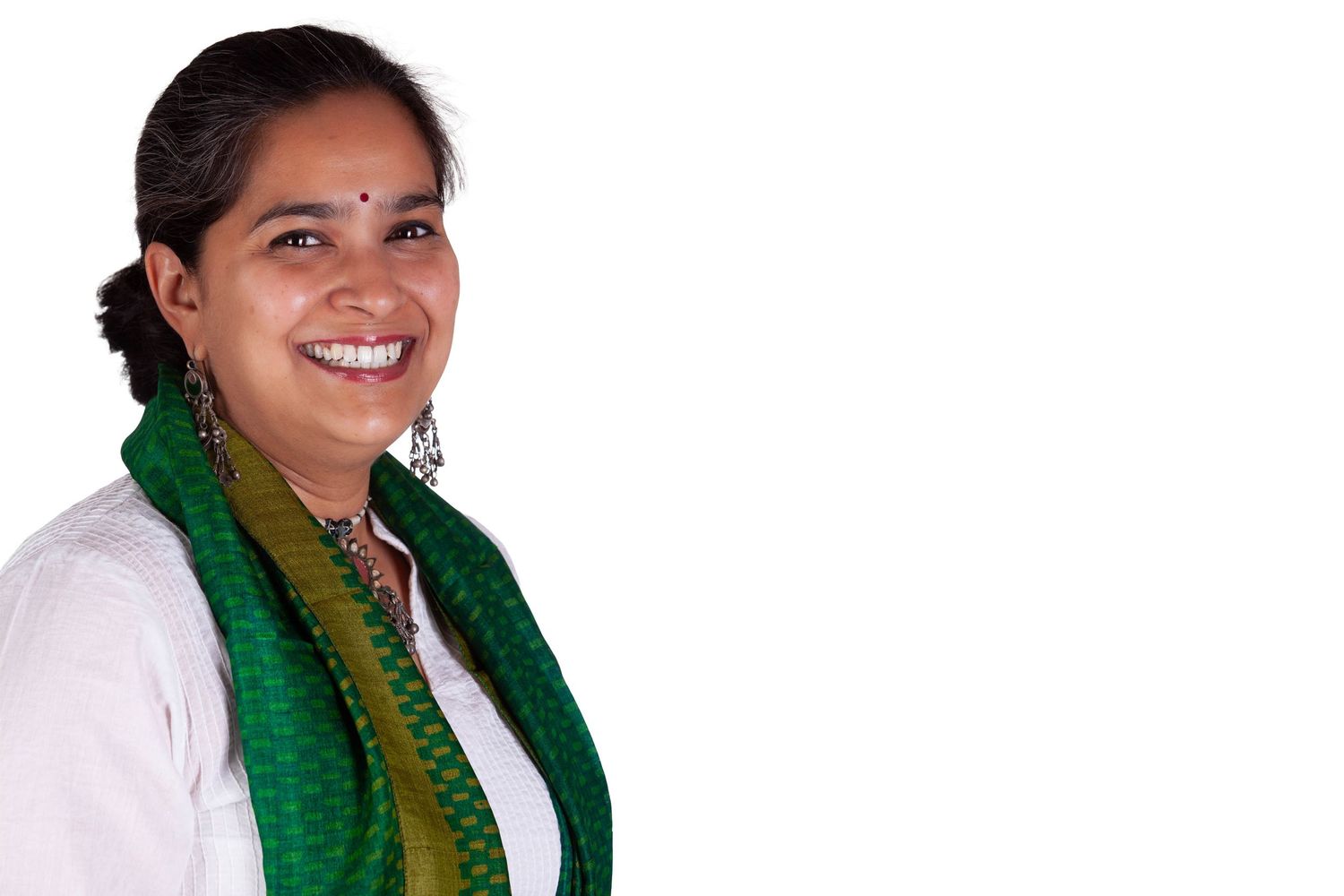
Before and after